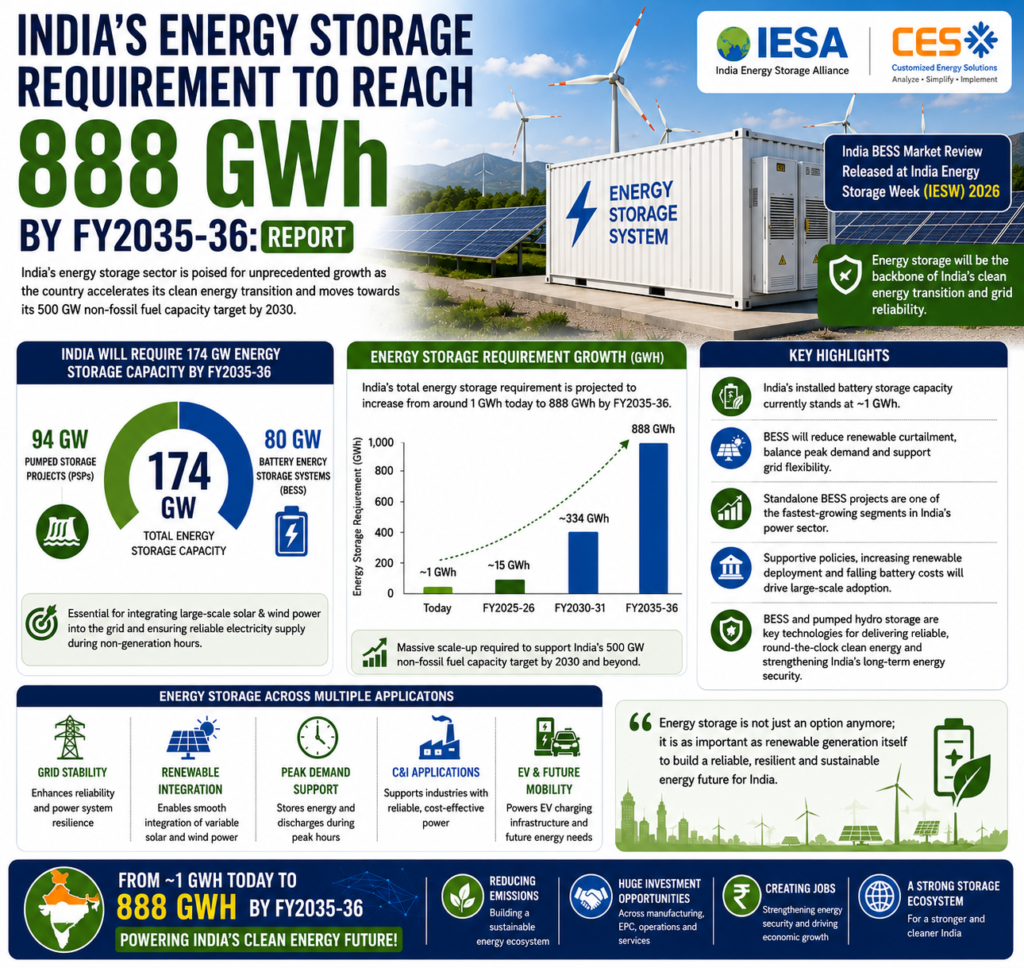


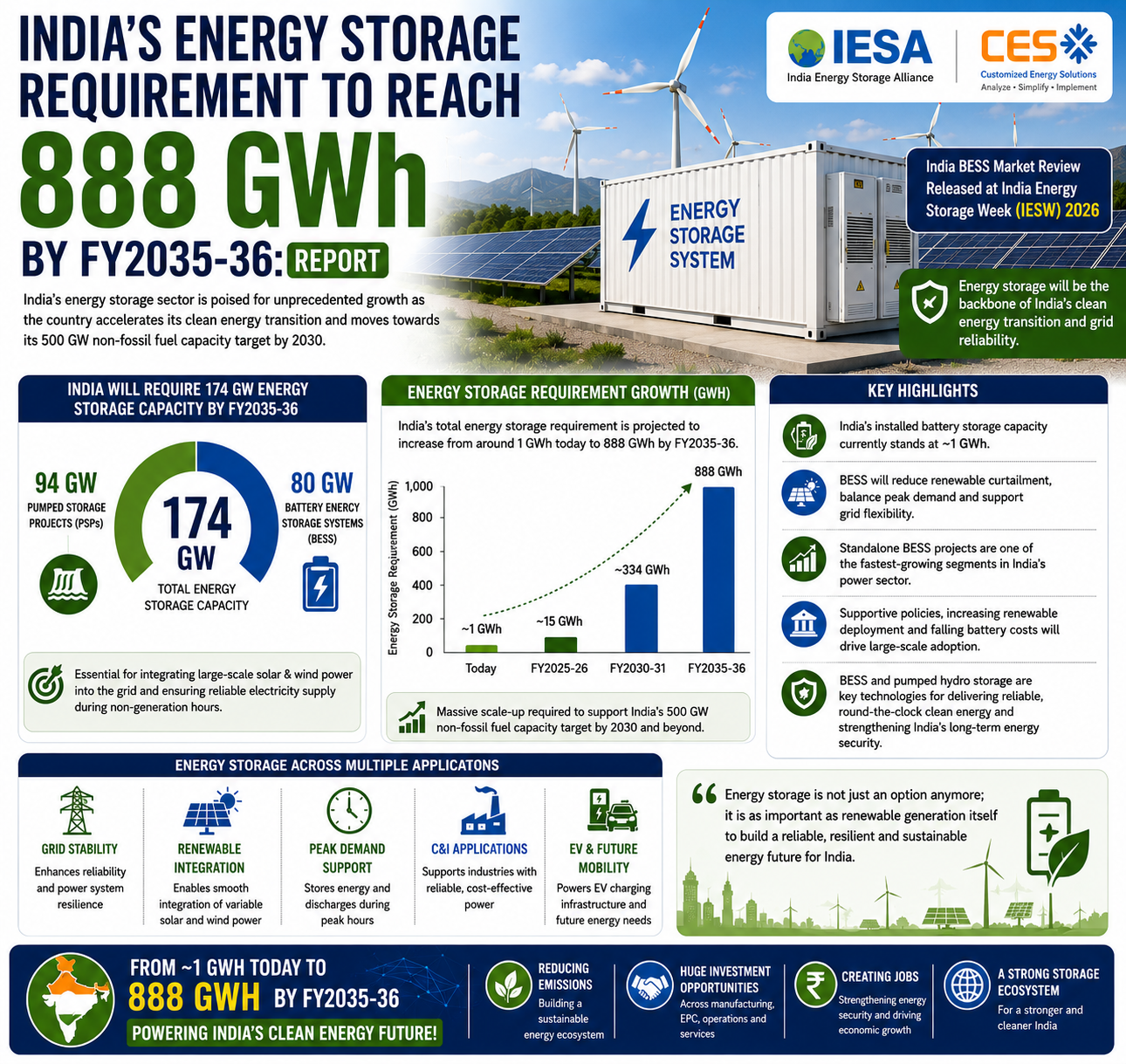


The India Energy Storage Market is expected to witness remarkable growth over the next decade as the country accelerates its transition towards clean energy. According to the latest India BESS Market Review released during India Energy Storage Week (IESW) 2026 by the India Energy Storage Alliance (IESA) and Customized Energy Solutions (CES), India’s energy storage requirement is projected to increase dramatically from nearly 1 GWh today to 888 GWh by FY2035-36.
The report highlights that energy storage will become one of the most important pillars supporting India’s renewable energy expansion. As solar and wind power continue to grow rapidly, advanced storage technologies will help ensure reliable electricity supply, improve grid stability and maximise the use of renewable energy.
India’s Energy Storage Capacity Set for Massive Growth
The report estimates that India will require around 174 GW of energy storage capacity by FY2035-36. This includes 94 GW of Pumped Storage Projects (PSPs) and 80 GW of Battery Energy Storage Systems (BESS).
This large-scale expansion is necessary because renewable energy sources such as solar and wind generate electricity based on weather conditions. Energy storage allows surplus electricity produced during high-generation periods to be stored and supplied later when demand increases or renewable generation decreases.
With this capability, storage systems improve electricity reliability while reducing dependence on conventional fossil fuel-based power generation.
Battery Energy Storage Will Play a Major Role
Battery Energy Storage Systems (BESS) are expected to become one of the fastest-growing segments in India’s power sector.
The report notes that India’s installed battery storage capacity currently stands at only about 1 GWh, demonstrating the enormous growth potential over the coming years.
Standalone BESS projects are expected to expand rapidly as utilities, industries and commercial consumers increasingly adopt storage technologies to improve energy efficiency and support renewable integration.
Battery storage can help reduce renewable energy curtailment, support peak demand management and provide greater flexibility for the national electricity grid.
Supporting India’s 500 GW Renewable Energy Target
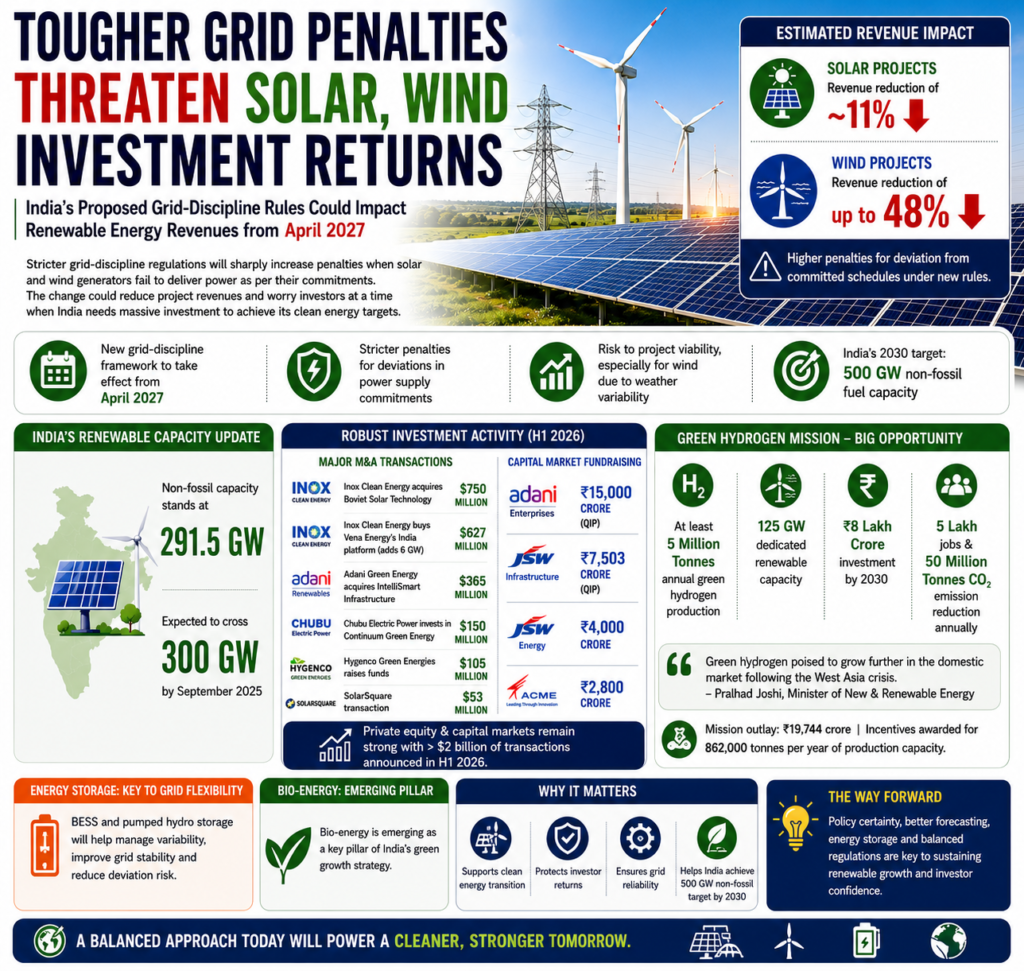
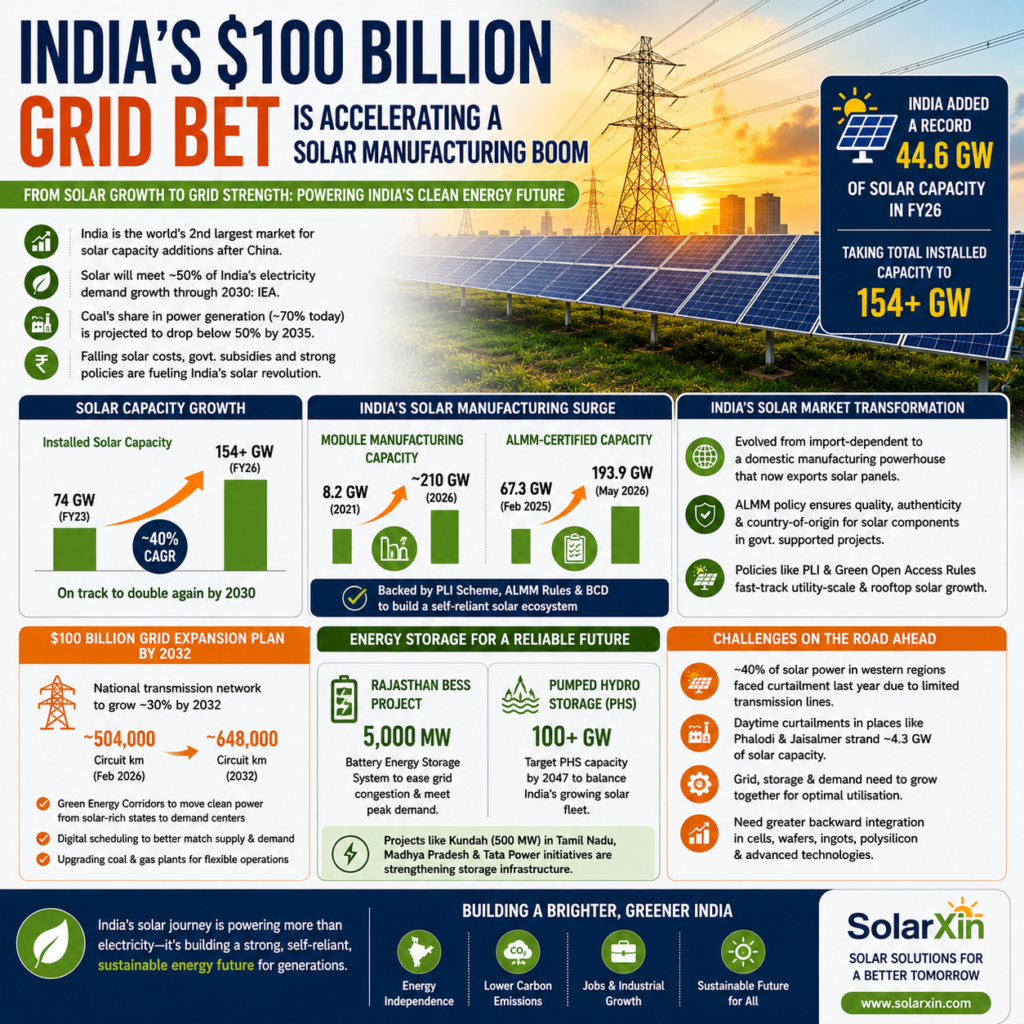
India aims to achieve 500 GW of non-fossil fuel power capacity by 2030.
Achieving this ambitious target will require not only additional solar and wind generation but also significant investment in energy storage infrastructure.
Without sufficient storage capacity, excess renewable electricity generated during daylight hours or periods of strong wind may not always be utilised efficiently.
Battery storage and pumped hydro projects help overcome this challenge by storing clean electricity and supplying it whenever required.
This improves renewable energy utilisation while strengthening overall grid reliability.
Pumped Storage Projects Continue to Expand
Along with battery storage, Pumped Storage Projects (PSPs) will remain an important part of India’s long-term energy strategy.
These projects use surplus electricity to pump water into elevated reservoirs during periods of low demand. The stored water is then released through turbines to generate electricity during peak demand periods.
Large-scale pumped hydro storage complements battery storage by providing long-duration energy storage suitable for supporting large electricity networks.
The combination of PSPs and BESS creates a balanced storage ecosystem capable of supporting India’s rapidly growing renewable energy capacity.
Opportunities Across Multiple Industries
The expansion of the India Energy Storage Market will create opportunities across several industries.
Manufacturers of batteries, power electronics, energy management systems, transformers, inverters and electrical infrastructure are expected to benefit from increasing demand.
Commercial and industrial consumers can also use battery storage to improve power reliability, optimise electricity costs and integrate rooftop solar systems more effectively.
In addition, energy storage will support electric vehicle charging infrastructure, smart grids and future distributed energy systems.
Strong Policy Support Driving Market Growth
Government initiatives, increasing renewable energy deployment and declining battery prices are creating favourable conditions for energy storage investment.
Policy support has encouraged utilities and private developers to invest in standalone battery storage projects and renewable energy systems combined with storage.
As technology continues to improve, battery costs are expected to become more competitive, making storage solutions accessible to a broader range of users.
Building India’s Clean Energy Future
The India Energy Storage Market is entering a transformational phase.
The projected growth from approximately 1 GWh today to 888 GWh by FY2035-36 demonstrates how important energy storage has become for India’s renewable energy transition.
Battery Energy Storage Systems and Pumped Storage Projects will play a vital role in integrating solar and wind power, improving grid flexibility and ensuring reliable electricity supply across the country.
With continued policy support, technological advancement and private investment, India is building a strong energy storage ecosystem that will support long-term energy security, cleaner electricity generation and sustainable economic growth.