

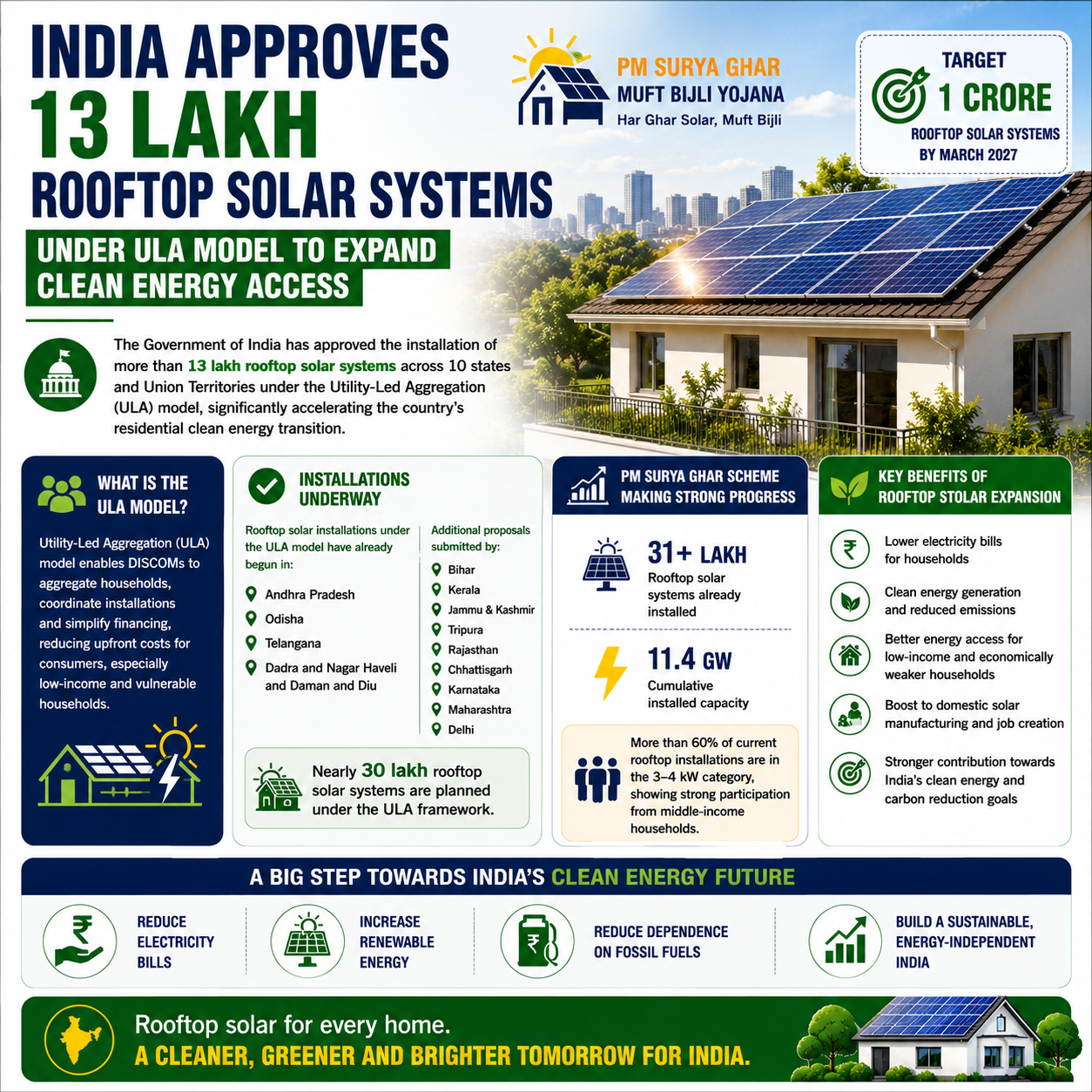


India has approved the installation of more than 13 lakh rooftop solar systems across multiple states and Union Territories under the Utility-Led Aggregation (ULA) model, marking another major step in the country’s residential renewable energy expansion.
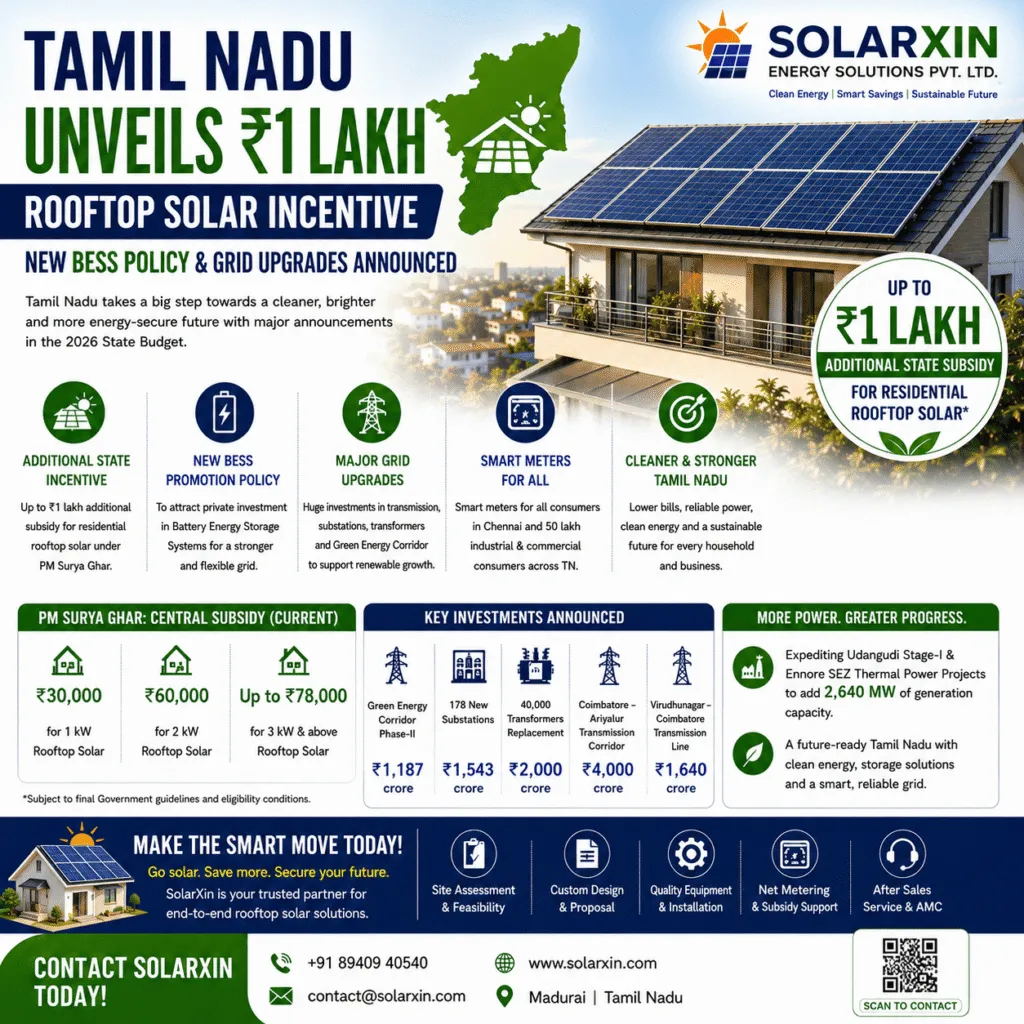
The initiative is being implemented under the PM Surya Ghar Muft Bijli Yojana, which aims to install one crore rooftop solar systems across India by March 2027.
What Is the ULA Model?
The Utility-Led Aggregation (ULA) model is designed to help large numbers of households adopt rooftop solar systems more easily through power distribution utilities.
Under this framework, DISCOMs and utilities will:
- Aggregate eligible households
- Coordinate rooftop solar installations
- Simplify financing support
- Reduce upfront costs for consumers
The model mainly focuses on improving rooftop solar access for low-income and economically weaker households.
Rooftop Solar Installations Already Started
According to Ministry of New and Renewable Energy (MNRE) officials, rooftop solar deployment under the ULA model has already started in:
- Andhra Pradesh
- Odisha
- Telangana
- Dadra and Nagar Haveli and Daman and Diu
Meanwhile, additional proposals have also been submitted by:
- Bihar
- Kerala
- Jammu & Kashmir
- Tripura
- Rajasthan
- Chhattisgarh
- Karnataka
- Maharashtra
- Delhi
The government plans to install nearly 30 lakh rooftop solar systems under the ULA framework alone.
PM Surya Ghar Scheme Continues Rapid Growth
Government data shows that more than 31 lakh rooftop solar systems with a combined installed capacity of around 11.4 GW have already been deployed under the PM Surya Ghar scheme.
Officials noted that over 60% of installations currently fall within the 3–4 kW category, indicating strong adoption among middle-income households.
The ULA model is expected to further improve participation among low-income families by simplifying the installation and financing process.
Benefits of Rooftop Solar Expansion
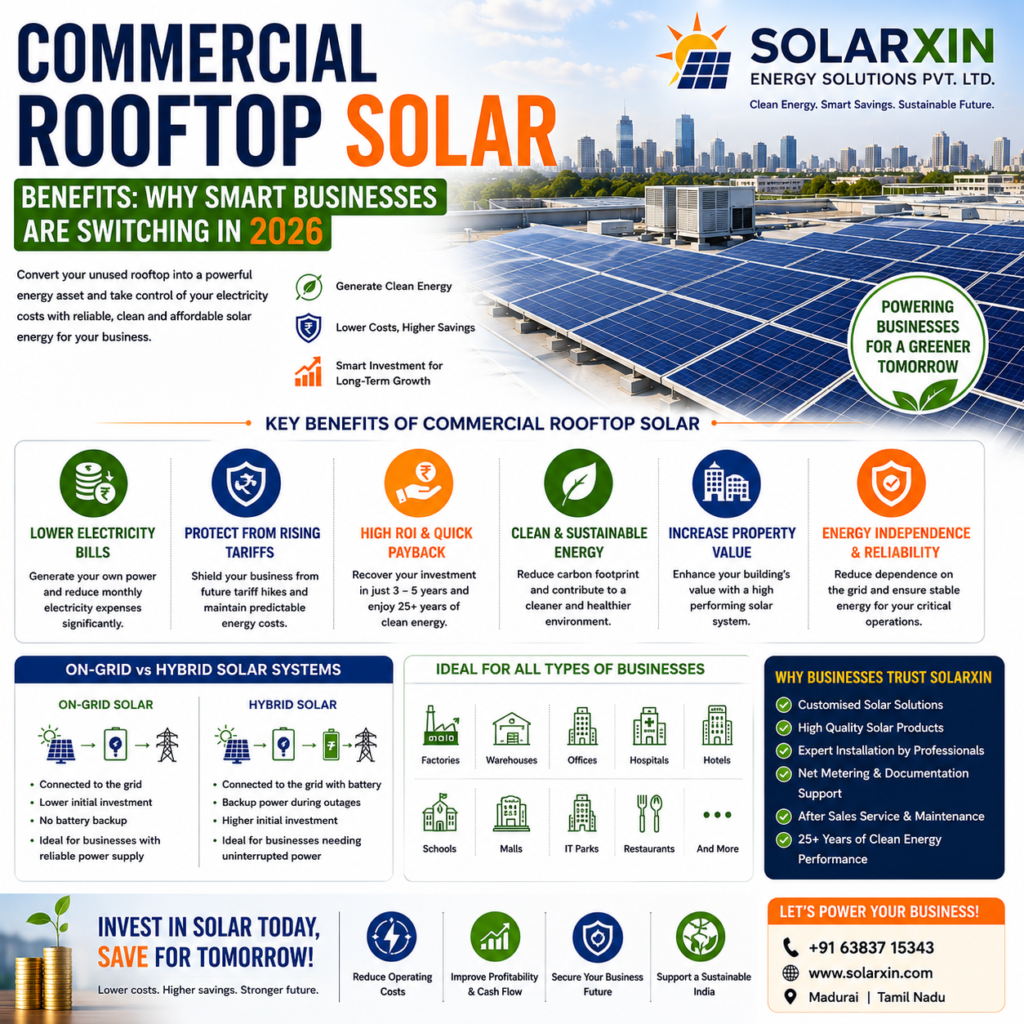
The large-scale rollout of rooftop solar systems is expected to provide several long-term benefits, including:
✔ Lower household electricity bills
✔ Increased clean energy generation
✔ Reduced dependence on fossil fuels
✔ Better energy access for rural and low-income communities
✔ Growth in solar installation and maintenance jobs
Experts also believe the programme will strengthen India’s domestic solar manufacturing ecosystem and support long-term renewable energy goals.
🇮🇳 Supporting India’s Clean Energy Transition
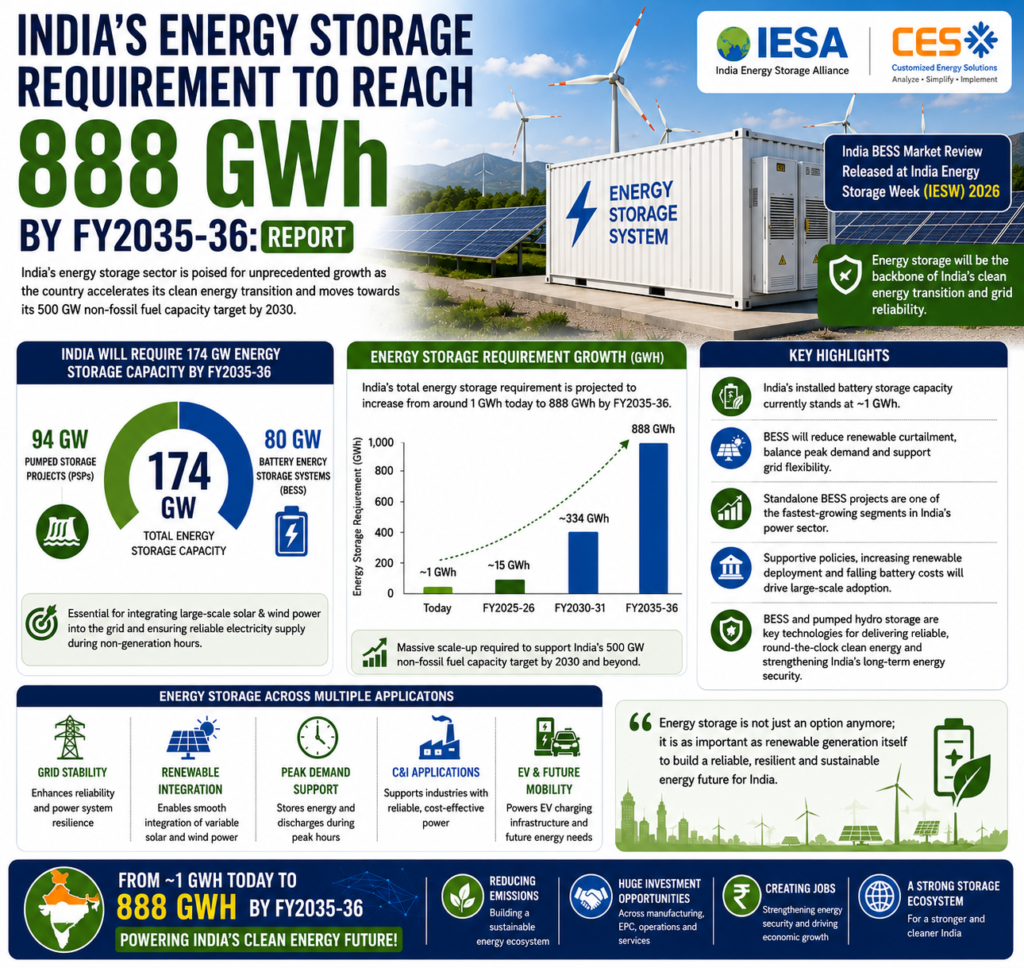
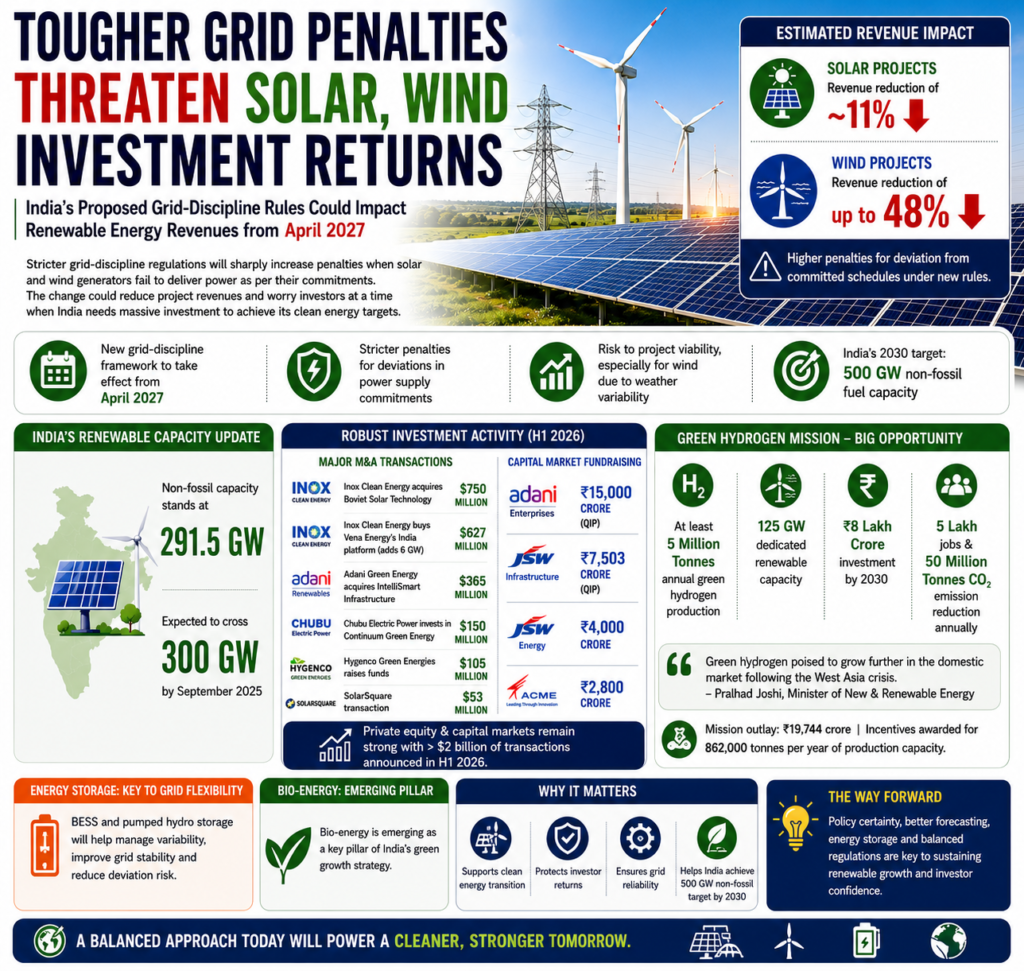
India continues to accelerate renewable energy adoption as part of its long-term sustainability and carbon reduction targets.
Large-scale rooftop solar deployment under the PM Surya Ghar scheme is expected to play a major role in expanding decentralized renewable energy infrastructure while improving energy independence for households across the country.
The approval of 13 lakh rooftop solar systems under the ULA model marks another important milestone in India’s clean energy journey.
By improving rooftop solar accessibility and reducing upfront barriers for consumers, the government aims to accelerate renewable energy adoption and strengthen the country’s sustainable energy future.